
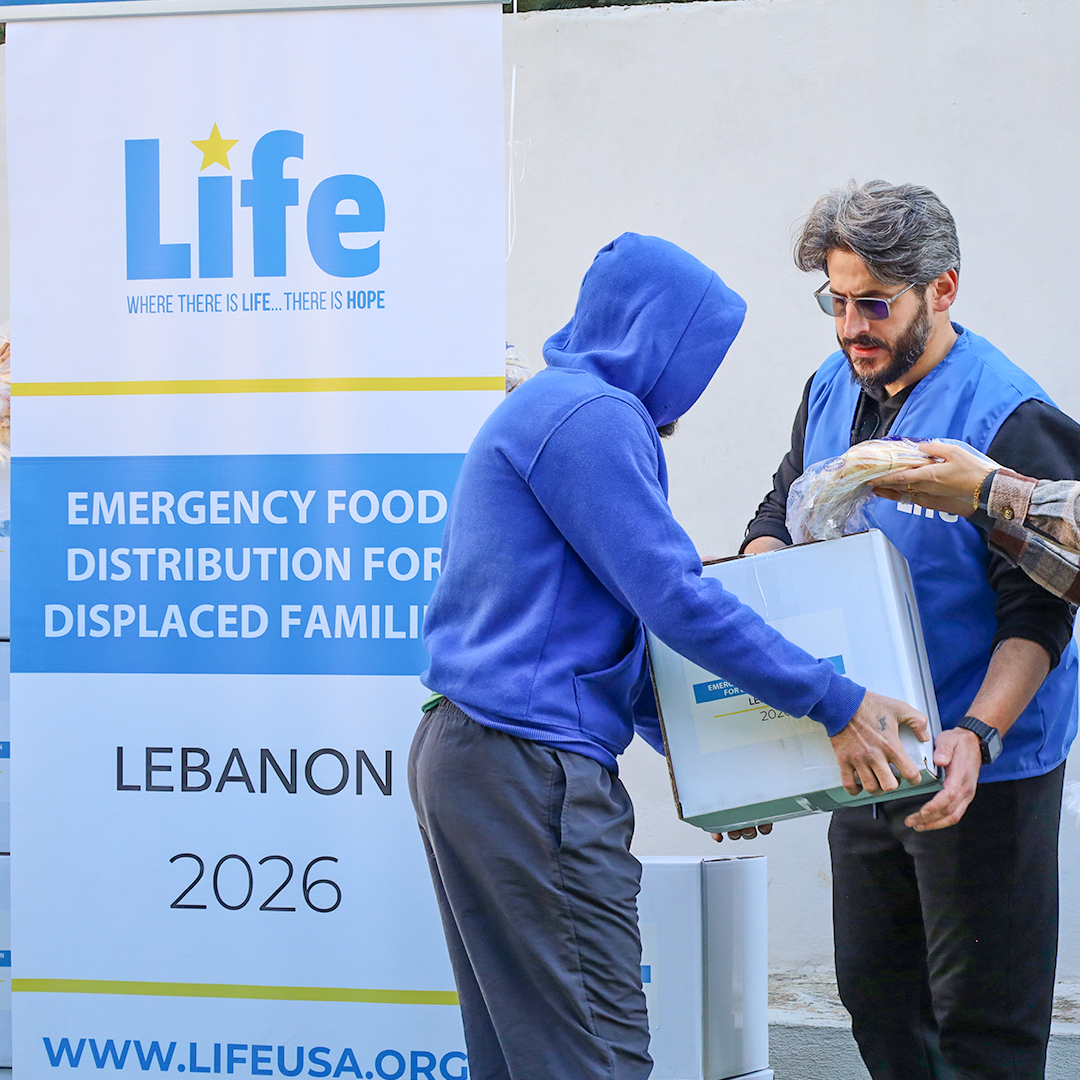
Lebanon is currently facing severe humanitarian conditions amid the deteriorating security situation in the Middle East. The United Nations High Commissioner for Human Rights, Volker Türk, has called for an urgent end to this tragic situation, as the crisis has claimed the lives of more than 1,000 civilians in recent months. Hundreds of civilian facilities — including schools, health centers, and hospitals — have been destroyed or rendered unusable.
Displaced families are living under extremely harsh conditions, while the situation of refugees and migrants — already vulnerable before the outbreak of violence — continues to deteriorate. To better understand the humanitarian reality on the ground, we spoke with Mr. Mohammed Al-Sharif, Coordinator of the Lebanon Office at Life for Relief and Development, who discussed the current humanitarian situation, the challenges facing displaced populations, and the obstacles confronting humanitarian workers.
How do you assess the situation of displaced people in Lebanon during the recent war?
Lebanon has witnessed one of the largest waves of internal displacement in its modern history. The deterioration of security conditions in recent years has resulted in more than 103,000 internally displaced persons, 70% of whom are women and children. More than 50% of children under two years old suffer from acute food poverty, while nearly 80% of families are in urgent need of assistance.
According to the World Food Programme, approximately 1.17 million people are experiencing severe food insecurity, including 55,000 in emergency conditions. This number is expected to rise to 1.24 million by October 2025. Additionally, more than 2.5 million people are struggling to secure adequate food.
Shelters and camps lack clean water, proper nutrition, and sanitation services, increasing the risk of disease outbreaks. The situation has further worsened due to expired medications, electricity outages, and fuel shortages.
What are the main challenges displaced people face today?
United Nations data indicate that more than 1.2 million people have been directly or indirectly affected by the conflict, whether through the loss of homes or livelihoods. Although some displacement waves have slowed, returns to original areas remain limited due to severe damage to infrastructure and housing, as well as fears of renewed violence.
Displaced families continue to suffer from a lack of shelter and essential services, particularly after homes in southern regions were destroyed or damaged. Healthcare and education systems have been heavily impacted, with some schools converted into shelters.
Economic hardships have also intensified, leaving families unable to secure food or medication amid rising prices and unemployment. Meanwhile, humanitarian organizations face severe funding shortages, raising concerns that the crisis may become chronic.
With winter approaching, conditions are expected to worsen. For example, the United Nations Population Fund requested $40 million to support women and girls in Lebanon in 2025, yet by January 2025 only about 14% had been funded.
What about Syrian and Palestinian refugees in Lebanon? Do they receive humanitarian support?
At Life for Relief and Development, we conduct thorough field assessments to verify eligible cases. This includes site visits, data collection, and follow-up evaluations to ensure accuracy. While some organizations coordinate with local authorities, we rely on our own verification processes — particularly since much of the funding comes from zakat and restricted donations that must reach the most deserving individuals.
During this month alone, Life provided emergency assistance to 2,400 families, including:
- Ready-to-eat food packages and hot meals
- Emergency shelter kits (mattresses and blankets)
- Multi-purpose cash assistance
- Hygiene kits and dignity kits for women
- Baby supplies such as milk and diapers
- Mobile healthcare services
Last year, Life also delivered comprehensive medical support to six major hospitals across Lebanon, including medical supplies, emergency relief materials, operating room equipment, and essential medications.
Additional support was provided to:
- L’Ecoute NGO
- Arcenciel
- Asile Maronite des Vieillards
These organizations serve vulnerable populations, including individuals with disabilities, marginalized communities, and elderly residents.
What are the main challenges facing humanitarian work on the ground?
In areas such as Tripoli and surrounding impoverished regions, humanitarian teams face difficulties reaching affected populations due to security concerns and economic constraints. Transportation and logistics costs remain extremely high, particularly when supporting orphans in remote villages.
Declining donations have also resulted in many families losing access to annual assistance, raising concerns — especially with winter approaching. Displaced families often live in tents or damaged buildings lacking insulation or heating, exposing them to cold-related illnesses, particularly children and the elderly.
Fuel shortages and limited access to clean water and food force families to adopt extreme coping strategies, such as reducing meals or sending children to work. These harsh conditions make winter a particularly painful and challenging season for displaced communities.
What are the most significant projects implemented recently?
During the recent conflict, Life intensified efforts to support hospitals with medications, medical equipment, ambulances, and emergency supplies, alongside programs supporting displaced persons, refugees, widows, orphans, elderly individuals, and people with disabilities.
Approximately 600 orphan families were registered under comprehensive sponsorship programs. Seasonal initiatives were also implemented during Ramadan and Eid, including winter preparedness campaigns providing warm clothing and essential supplies.
Life also supports education in Lebanon through:
- School rehabilitation projects
- Student return-to-school initiatives
- University scholarships
What emergency relief projects have you provided specifically?
Life has operated in Lebanon since 2006 following regional conflict and large-scale displacement. Support expanded further during the COVID-19 pandemic and after the Beirut Port Explosion, one of the largest non-nuclear explosions in history.
During the recent war, Life teams distributed:
- Cash assistance
- Food baskets
- Hot meals
- Winter clothing and heating supplies
- Personal care kits
The organization also expanded psychosocial support programs for children experiencing trauma, providing specialized mental health services and rehabilitation programs to help reintegrate them into normal social life.
For more information:
linktr.ee/LIFEUSA