
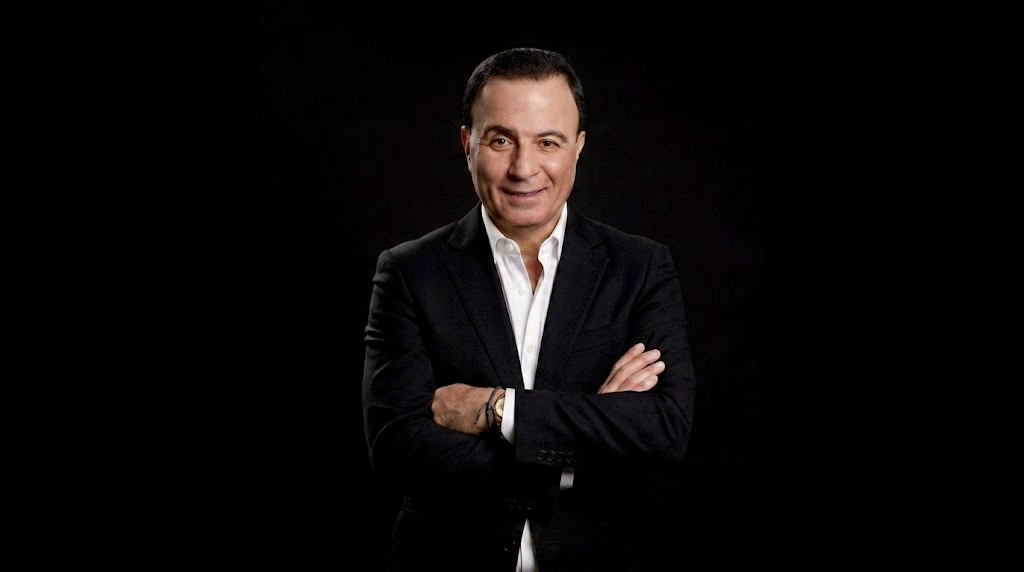
BEIRUT — In a move that signals a shift toward sustainable humanitarian intervention in conflict-strained regions, Charles Hanna, the Lebanese-American businessman and philanthropist, announced a $50,000 initiative on Wednesday to bolster the medical infrastructure of four frontline villages in Southern Lebanon.
The initiative, launched in formal partnership with Caritas Lebanon and receiving the high-level blessing of the Vatican Ambassador to Lebanon, Monsignor Paolo Borgia, seeks to move beyond traditional aid. Instead, it aims to establish a model of “health autonomy” for communities caught in the crosshairs of regional instability.
The foundational donation provided by Mr. Hanna is earmarked for the immediate procurement of essential medicines and first-aid supplies. Under the stewardship of Caritas Lebanon, led by its President Father Samir Ghawi, the program provides a vital lifeline to residents who have shown “extraordinary courage” remaining in their ancestral lands despite mounting challenges.
The logistics of the aid distribution are being coordinated by Jean Nakhle, the mayor of Karkha village in the Jezzine district and a longtime friend of Mr. Hanna. This partnership reflects a strategic commitment to grassroots resilience: by equipping local first responders and ensuring a steady supply of pharmaceuticals, the program aims to reduce the dependence of these remote populations on external emergency services during times of crisis.
The blessing by Monsignor Borgia, the Vatican’s representative in Lebanon, imbues the project with a sense of moral urgency. It also highlights the growing role of the Lebanese diaspora in North America as a critical pillar of support for the home country. For Mr. Hanna, the focus is on “medical sovereignty”, a concept that treats healthcare access not just as charity, but as a prerequisite for human dignity and regional stability.
While Lebanon continues to navigate a period of historic hardship, the initiative offers a rare dose of institutional hope. It represents a confluence of international philanthropy, established NGOs, and local leadership.
This latest contribution is part of a broader, often quiet, pattern of support from Mr. Hanna, whose philanthropic footprint in Lebanon is estimated to reach into the hundreds of thousands of dollars to date. His ongoing engagement suggests that for the Lebanese-American tycoon, success in the United States remains deeply intertwined with the survival and flourishing of his roots in the Levant.