
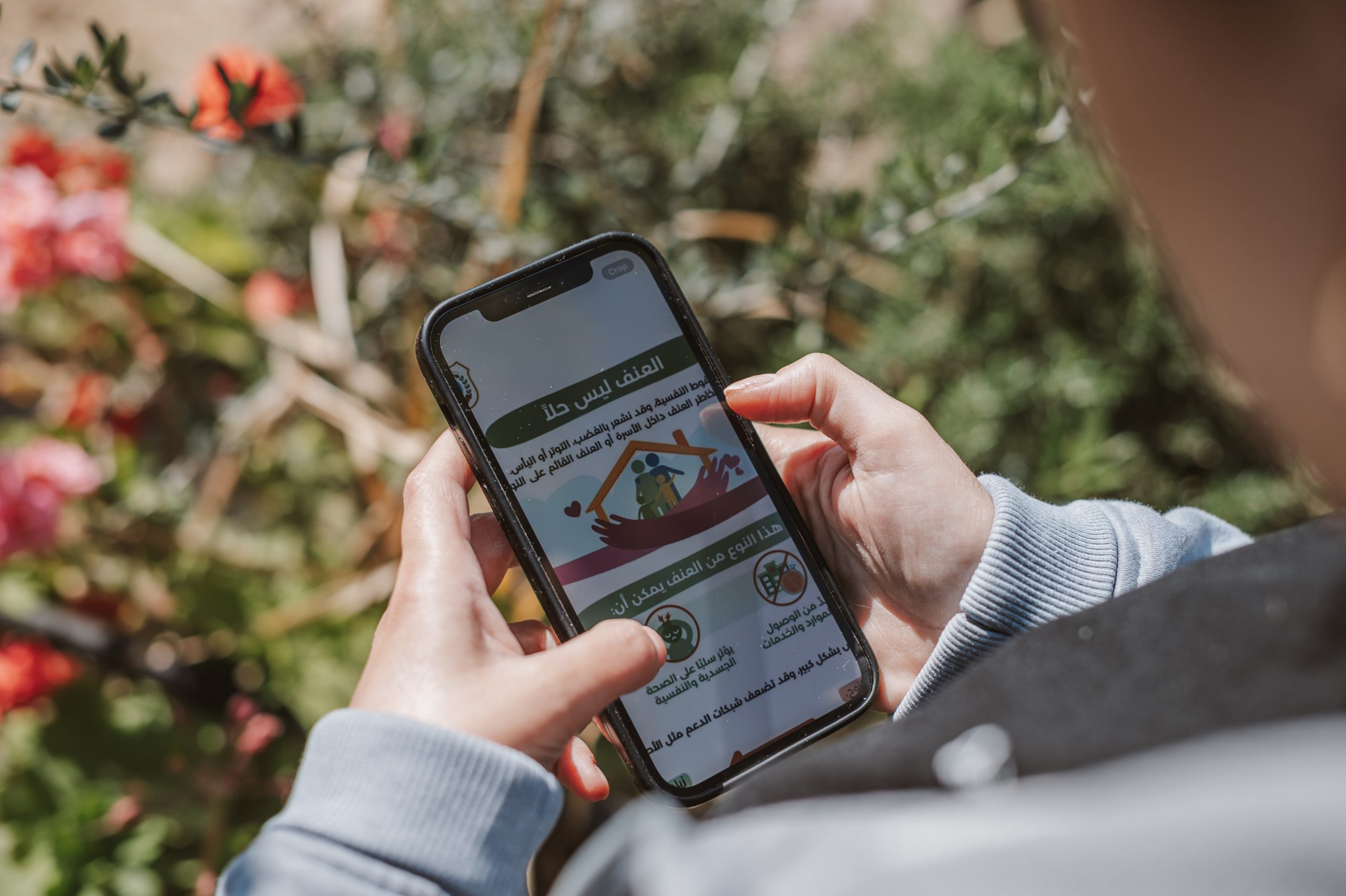
In a step aimed at supporting the resilience of the agricultural sector amid current challenges, the Lebanese Ministry of Agriculture, in collaboration with the Food and Agriculture Organization of the United Nations, funded by the Government of Canada, has launched a comprehensive virtual training programme targeting farmers across various regions of Lebanon.
The program aims to help farmers strengthen apple and vegetable value chains while preparing for the upcoming agricultural season. It also includes gender and protection.
Originally planned as in-person sessions, the training has been adapted to a fully online format using WhatsApp technical messages and interactive Q&A sessions to ensure continuity, safety, and broad reach across Lebanon.
Over 2200 farmers including 883 women and 1323 men will participate in the program, gaining knowledge on good agricultural practices, crop management, and season planning. The initiative also integrates gender-sensitive approaches and inclusion guidance.
His Excellency the Minister of Agriculture, Dr. Nizar Hani affirmed that the Ministry has developed a comprehensive response plan to keep pace with the critical phase Lebanon is going through. The plan aims to strengthen farmers’ resilience, maintain the continuity of agricultural activities as much as possible, support national food security, and reduce potential losses to the sector.
Dr. Nizar Hani highlighted the importance of strategic partnerships that bring together the Ministry of Agriculture with donor countries, international organizations, and local entities through the Agriculture Partners Network in Lebanon, commending the efforts made to achieve sustainable agricultural and food development. He also underscored the vital role played by the Food and Agriculture Organization of the United Nations in supporting Lebanon, whether through the implementation of emergency projects or by coordinating efforts with donors.
He expressed the Ministry’s aspiration to further strengthen this cooperation to secure additional resources and expand the scope of agricultural interventions, ensuring that support reaches the most affected farmers—both women and men—across all regions of Lebanon. He also stressed the ongoing work to develop scientific and transparent tools that help guide interventions and enhance the effectiveness of the response.
He added: “This programme is considered an innovative model for adapting to crises and reflects the commitment of the concerned stakeholders to support farmers and strengthen the sustainability of the agricultural sector in Lebanon.”
FAO Representative in Lebanon, Nora Ourabah Haddad, stated: “By leveraging digital tools like WhatsApp and interactive Q&A sessions, we are ensuring farmers across Lebanon can continue learning, applying good agricultural practices, and making informed decisions for their crops. This approach is a model for resilience in times of crisis.”
From his side, Ambassador of Canada to Lebanon and Syria, Gregory Galligan, said:”Lebanon’s agricultural sector has been severely affected by the conflict. Through our partnership with the Ministry of Agriculture and FAO, Canada is proud to continue supporting farmers during this challenging time, with flexible learning approaches that contribute to build resilience, sustain production, and enhance food security.”
This initiative demonstrates the power of collaboration between FAO, the Lebanese Ministry of Agriculture, and international partners to support farmers, enhance resilience, and ensure agriculture continues to thrive despite challenging circumstances.