
- Russell Reynolds Associates’ H1 2026 Global Leadership Monitor finds that 63% of business leaders identify technological change as the primary force shaping organizational performance
- While a majority of global executives view this technological shift as an opportunity, only 51% of leaders feel prepared to successfully operationalize these systems
- Trends reflect intensified governmental focus on AI transformation across the UAE’s public and private sectors to accelerate global digital leadership
Dubai, UAE: 3 August 2026 – Global leadership advisory firm Russell Reynolds Associates (RRA) released its Global Leadership Monitor H1 2026, a bi-annual survey of 2,700+ global business leaders tracking organizational health and leadership preparedness against external trends. The report shows global leadership at an inflection point – with technological change emerging as the single most critical factor influencing organizational performance for the first time since the survey was launched in 2021.
Two in three (63%) global executives identify technological disruption – including AI, machine learning, robotics, big data, IoT, and related technologies – as a significant opportunity or challenge in the next 12 to 18 months. This represents a near doubling of concern since 2022, rising from 32% with a near 10-percentage-point increase in the last year alone.
This is already translating into action on the ground: 35% of leaders report their teams have fully implemented GenAI into daily workflows, nearly double the 19% recorded just twelve months ago.
Despite overarching optimism for the opportunities technology presents, the report nods to an apparent execution gap: only half (51%) of leaders feel confident in their ability to operationalize these technological shifts. This, however, is higher than perceived preparedness for external challenges beyond executive control, such as geopolitical uncertainty (32%) and uncertain economic growth (40%).
This in fact marks the first time uncertain economic growth is displaced from the top of the corporate agenda since 2023. This shift in corporate priorities is particularly visible in the region and the UAE, where top-down mandates and infrastructural investments are positioning digital and AI integration as a force multiplier. Earlier this year, UAE leadership announced a framework to transform half of government sectors and services to agentic AI in the coming two years, followed closely by a Dubai initiative to accelerate the adoption of agentic AI in the private sector. These initiatives send a clear signal that AI is no longer a future consideration but an immediate national imperative.
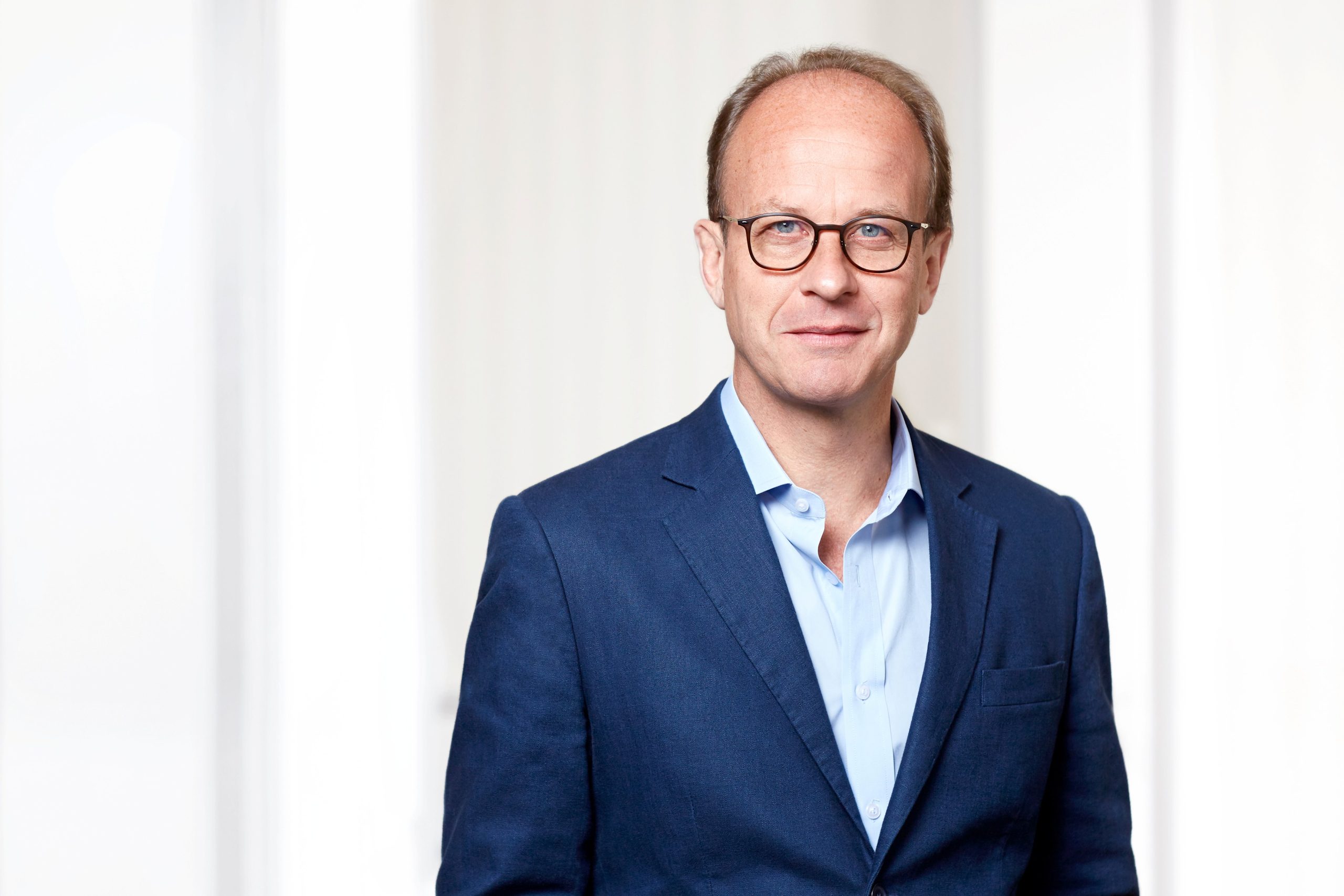
“The pace of technological adoption in the UAE – particularly when it comes to AI – is staggering,” said Nicolas Manset, Head of the Middle East, Russell Reynolds Associates. “The government’s push for global digital leadership makes technology one of the defining forces facing organizations in this country. The pressing challenge, as shown by our survey, is building the executive capabilities and board-level governance necessary to guide organizations through this transformation. That will ultimately be the differentiator between long-term success and failure.”
In contrast to the UAE’s accelerated integration, most organizations worldwide are still developing the actual capabilities and governance needed to fully capture the value of AI. Only around 40% of leaders believe their organization has the technical skills, high-quality data and governance processes needed to effectively implement and safeguard generative AI solutions. Fewer still (29%) believe they have the right expertise on their boards to advise on their AI implementations.
Beyond technological change, RRA’s Global Leadership Monitor H1 2026 also addresses sentiments and readiness to manage multiple interconnected forces, including geopolitical volatility, workforce transformation, and economic uncertainty – factors that continue to make leadership priorities more complex.
Key global findings from the H1 2026 Monitor:
- Strategic thinking remains the defining leadership capability. While tech literacy would seem the most vital competency for leaders in this climate, the report reveals that over half (55%) rank strategic thinking skills as the highest in demand for dealing with top organizational health levers – a notable 24 percentage points above the next highest rank skill, change management (31%).
- With the growing weight of AI in business and leadership performance indicators, the demand for human judgement intensifies. Leaders increasingly value capabilities associated with judgment, adaptability, prioritization, and long-term thinking over narrower domain expertise alone
- Talent mobility remains elevated as leaders reassess long-term career alignment. Nearly two-thirds of leaders’ report being open to making a move beyond their current employer; up 5% (3PP) since H1 2025. A significant segment (86%) of next-generation leaders want to take on more responsibilities in the next 2-3 years, and over two-thirds (67%) want to become a C-suite leader in the future. However, only 29% believe their career aspirations will be met at their current organization, leading to high levels of disengagement.
About Russell Reynolds Associates
Russell Reynolds Associates (RRA) is a global leadership advisory firm. Our 500+ consultants in 47 offices work with public, private, and non-profit organizations across all industries and regions. We help our clients build teams of transformational leaders who can meet today’s challenges and anticipate the digital, economic, and political trends that are reshaping the global business environment. From helping boards with their structure, culture, and effectiveness, to identifying, assessing, and defining the best leadership for organizations, our teams bring their decades of expertise to help clients address their most complex leadership issues. We exist to improve the way the world is led.