
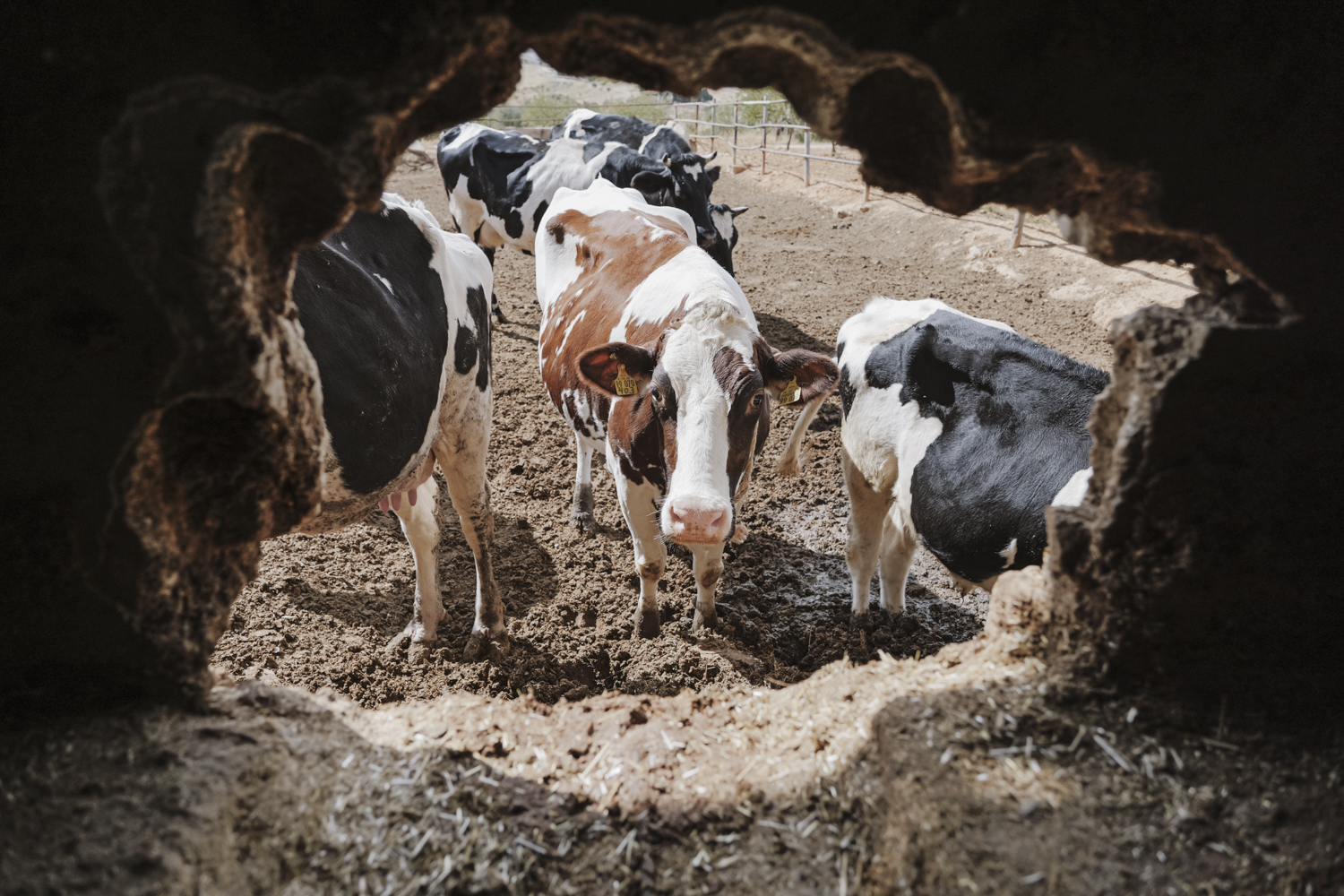
Beirut, Lebanon – 21 October 2026 – The Ministry of Agriculture, in collaboration with the Food and Agriculture Organization of the United Nations (FAO), has launched a targeted cash assistance intervention to support dairy livestock farmers affected by the hostilities in South Lebanon and Nabatieh Governorates. The initiative will reach 465 vulnerable farmers with a total value of about USD 140 thousand.
The dairy livestock sector in Lebanon, which sustains more than 13 000 farms, is facing mounting pressure due to long-standing structural challenges, including limited veterinary services and the high cost of fodder. These challenges have been further exacerbated by the recent conflict.
To address the most urgent needs, the Ministry of Agriculture and FAO will provide unconditional cash transfers to livestock farmers in conflict-affected areas of South Lebanon. Each beneficiary will receive USD 300 to support essential livestock-related expenses, including animal feed, veterinary care, and other inputs required to sustain production.
The intervention targets active Lebanese small- scale livestock keepers engaged in the dairy value chain, particularly those who own large ruminants currently in production and who have been directly impacted by the recent developments.
Nizar Hani, Lebanon’s Minister of Agriculture, stated: “Supporting livestock breeders in South Lebanon and Nabatieh goes beyond an emergency response to the current crisis; it constitutes a fundamental pillar in safeguarding national food security and ensuring the continuity of agricultural and livestock production in the rural areas most severely affected. The livestock sector represents an economic and social lifeline for thousands of Lebanese families, and any decline in this sector directly impacts the food and livelihood security of local communities.”
He added: “This joint initiative with the Food and Agriculture Organization of the United Nations is part of an integrated scientific and humanitarian approach adopted by the Ministry of Agriculture, aimed at strengthening farmers’ resilience and securing the minimum conditions necessary for continuity and productivity, particularly amid the compounded challenges resulting from conflicts, economic hardship, and climate-related pressures. We reaffirm the Ministry’s commitment to continuing cooperation with international partners and local institutions to develop sustainable support programmes for the agricultural and livestock sectors. These efforts are centred on protecting rural livelihoods, improving veterinary services, and enhancing local production capacities, thereby contributing to the development of a more resilient and sustainable agricultural sector capable of adapting to crises.”
Minister Hani also expressed his appreciation to the Lebanese Armed Forces and the UNIFIL for their efforts in assisting with the relocation of farms and livestock to safer areas, helping to reduce losses and protect the livelihoods of farmers in the affected regions.
“Livestock farmers are central to Lebanon’s food security, yet the ongoing crisis is placing their animals, livelihoods and capacity to produce food under increasing pressure,” said FAO Representative in Lebanon, Veronica Quattrola. “Through this cash assistance, FAO and the Ministry of Agriculture are providing timely and flexible support to help farmers meet urgent needs, safeguard their productive assets and maintain the supply of essential dairy products to local markets—strengthening national food security and the resilience of rural communities.”
This intervention forms part of FAO’s ongoing efforts, in close collaboration with the Ministry of Agriculture, to respond to the immediate impacts of the crisis while strengthening the resilience of Lebanon’s agrifood systems and safeguarding rural livelihoods in conflict-affected areas.