
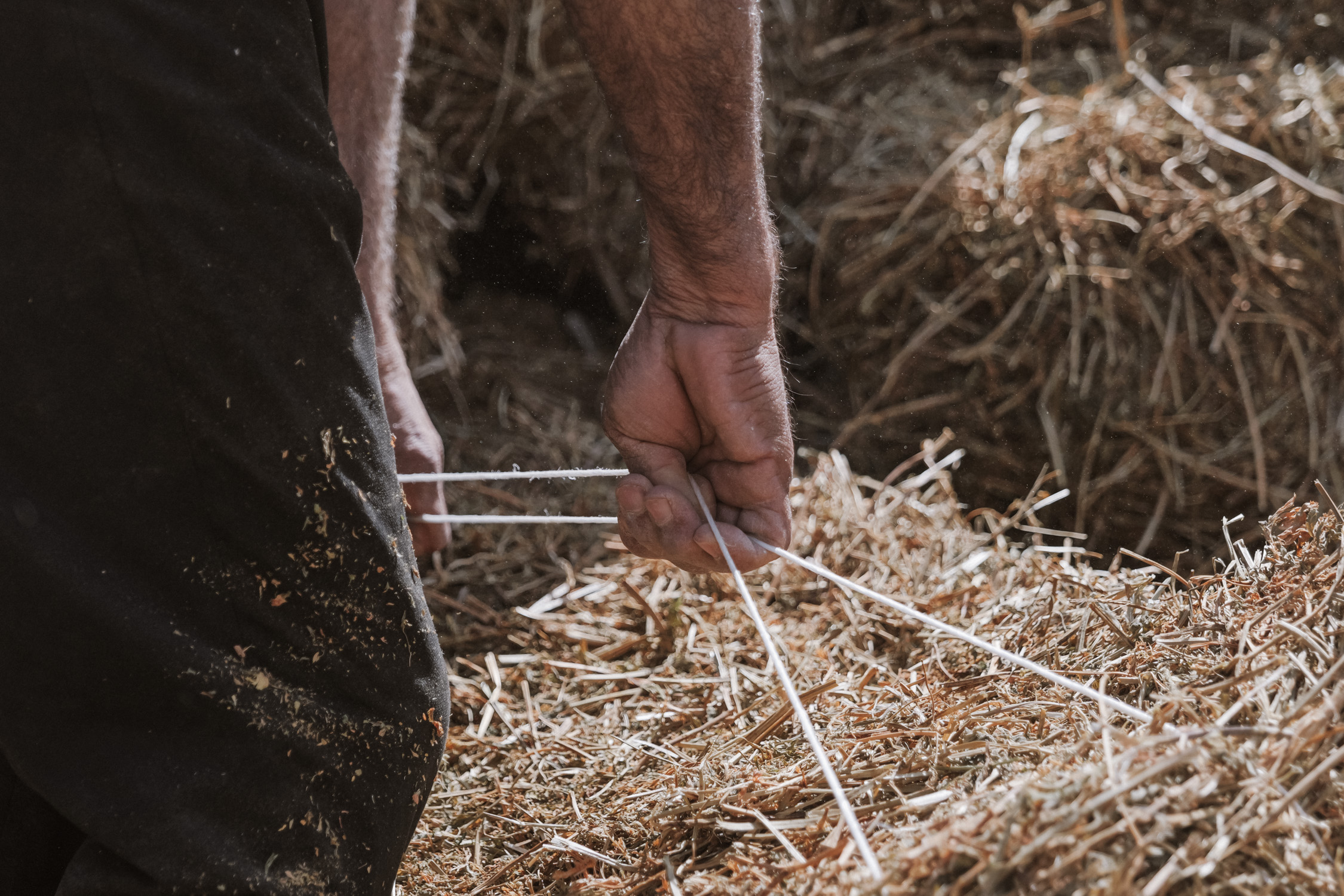
Beirut, Lebanon – 24 April 2026: The Ministry of Agriculture and the Food and Agriculture Organization of the United Nations (FAO) in Lebanon, has launched a new project “Enhancing Recovery and Resilience of Agrifood Systems and Rural Livelihoods in Conflict-Affected Areas of South Lebanon” funded by the Government of Japan.
The initiative will support agriculture-based livelihoods for approximately 230 vulnerable farming households, representing 1 150 individuals, engaged in crop and livestock production across the South and Nabatiyeh governorates. The project will help families maintain food production and income generation while strengthening local agrifood systems. At least 30 percent of beneficiaries will be women, including female-headed households.
Designed to respond to the urgent needs of rural communities affected by the ongoing conflict, the project will safeguard livelihoods, restore agricultural production, and strengthen resilience to future shocks. Through tailored support packages, smallholder farmers will receive targeted assistance to safeguard production and animal assets.
Lebanese Minister of Agriculture, Dr. Nizar Hani said: “This project comes at a pivotal moment for the agricultural sector in South Lebanon, where the challenges of conflict intersect with mounting climate and economic pressures. This reality calls for a comprehensive, science-based approach to rebuilding agricultural and food systems on more resilient and sustainable foundations.” He added: “In partnership with the Food and Agriculture Organization (FAO) and the Government of Japan, we are working to shift from emergency response to sustainable recovery by supporting smallholder farmers and strengthening their capacity to safeguard their productive assets—particularly livestock, which remains a cornerstone of rural food security.”
“This initiative goes beyond immediate assistance. It is embedded within a broader national vision aimed at revitalizing agricultural value chains, improving natural resource management, and fostering agricultural innovation to ensure continuity of production and enhanced livelihoods. We also place special emphasis on empowering rural women, recognizing their central role in food systems and their contribution to advancing social equity and balanced development. Today, the resilience of the agricultural sector is fundamental to Lebanon’s overall resilience. Investing in agriculture is an investment in stability, food sovereignty, and the future of coming generations” he concluded.
“The intervention responds to the most immediate and critical needs identified by the Ministry of Agriculture, particularly emergency fodder support for small-scale livestock keepers,” said FAO Representative in Lebanon a.i, Etienne Careme. “Animals cannot wait for access to be restored. Without immediate support, herds risk being lost, along with the primary livelihood asset of the most vulnerable households in the project’s target areas.”
Ambassador of Japan to Lebanon, Yokota Kenji said: “Through this partnership with the Food and Agriculture Organization, and in close collaboration with the Ministry of Agriculture, Japan aims to support the recovery of Lebanon’s agrifood sector, strengthen food security, and enhance the resilience and livelihoods of small-scale farmers affected by the recent conflict. Japan remains firmly committed to standing alongside Lebanon and its people during these challenging times.”
This initiative reflects the strong strategic partnership between Lebanon, FAO, and the Government of Japan in supporting rural communities, protecting agricultural livelihoods, and promoting sustainable recovery in conflict-affected areas.
Through timely and coordinated assistance, farmers can continue producing food, sustaining their households, and contributing to local economies.