
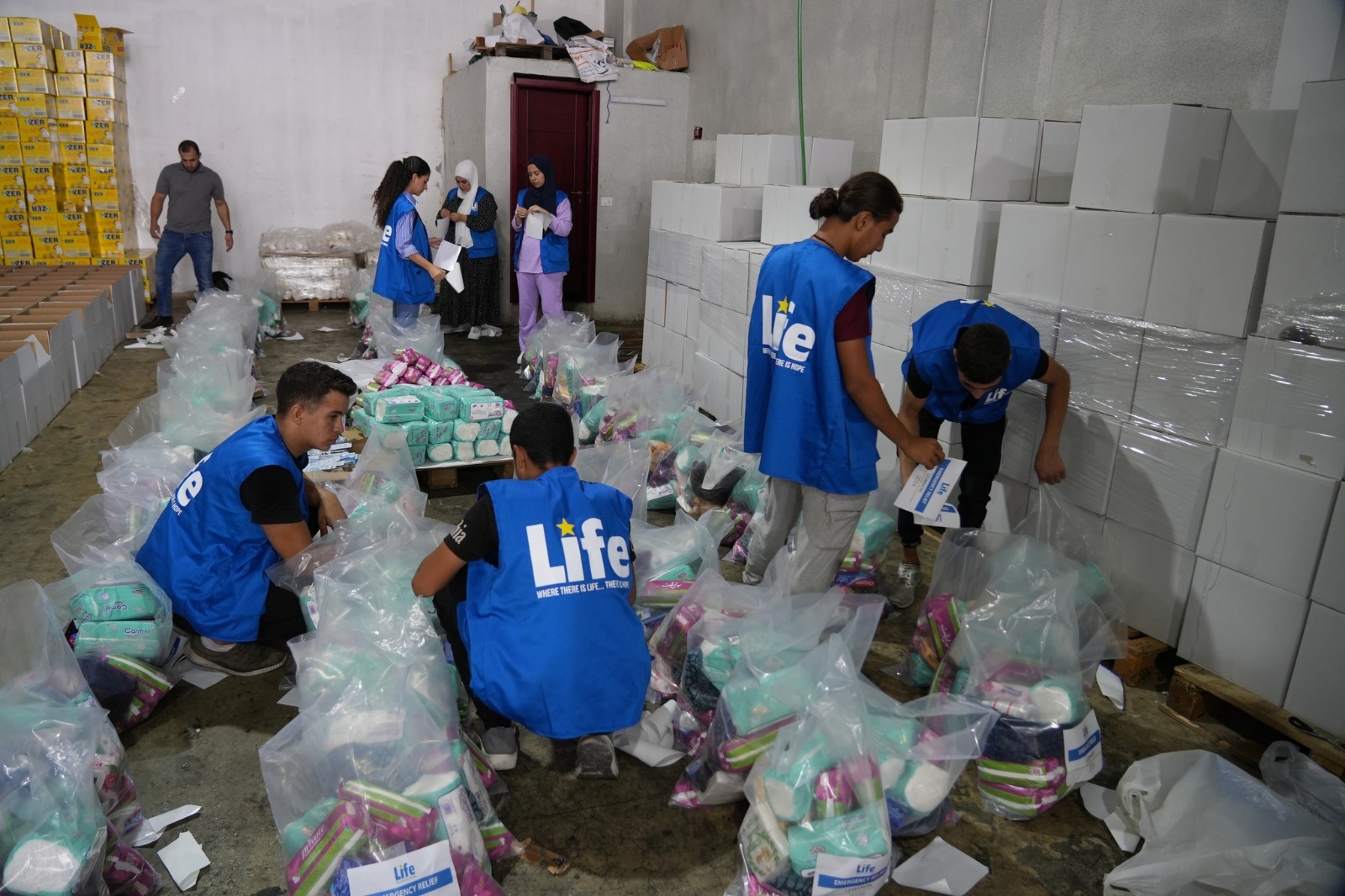
Lebanon: Continued Escalation Deepens the Humanitarian Crisis
Lebanon continues to face the repercussions of a worsening humanitarian and security crisis amid ongoing tensions and attacks, particularly in the southern areas, resulting in loss of life, displacement, and the destruction of homes and infrastructure. These developments come as the Lebanese economy continues to face mounting pressures, limiting the ability of families and institutions to address growing needs. As instability persists, humanitarian needs are expanding to include food, healthcare, shelter, and protection, while the need for an urgent and sustainable international response to support those affected and strengthen their resilience becomes increasingly evident.
As humanitarian crises continue to expand around the world, World Humanitarian Day serves as a reminder that behind the figures associated with wars and disasters are millions of people struggling to secure the most basic necessities of life. In 2026, approximately 239 million people need urgent humanitarian assistance, amid the overlapping impacts of armed conflicts, natural disasters, climate change, poverty, displacement, and food insecurity. The United Nations indicates that conflicts remain a major driver of deaths, displacement, and hunger, while climate change is intensifying disasters and their impact on the most vulnerable communities.
Humanitarian Action.. Increasingly at Risk Due to Wars
Developing countries bear a significant share of these consequences, as impoverished communities face compounded crises that undermine their ability to withstand hardship. War can destroy homes, hospitals, and schools, while natural disasters can devastate water and food supplies and livelihoods. At the same time, humanitarian action itself is facing unprecedented challenges, with 907 humanitarian workers killed, injured, or abducted worldwide in 2025, including 350 fatalities, marking the highest level recorded according to humanitarian worker security data.
Emergency Relief.. A Fundamental Pillar of Humanitarian Action
Against this backdrop, Life for Relief and Development continues to carry out its humanitarian mission, which began more than three decades ago. It has evolved from a relief initiative into a global humanitarian organization operating in more than 60 countries through 14 international offices. According to the organization’s data, it has provided more than $666 million in humanitarian assistance since its establishment.
Life’s response is not limited to emergency assistance. It extends to food, water, shelter, healthcare, education, orphan sponsorship, and community development. The organization’s approach is based on rapid response during disasters while investing in projects capable of creating long-term impact, such as drilling water wells, establishing schools and health centers, and supporting communities affected by poverty or displacement.
Gaza.. A Global Call to Protect Human Dignity
Gaza has emerged as one of the organization’s largest areas of humanitarian response in recent years. Since 2004, Life has operated in Gaza and expanded its response during the war to include food, water, medical assistance, shelter, education, and support for orphans.
According to the organization’s data, its efforts have included distributing hundreds of thousands of meals, food baskets, and flour bags; providing thousands of winter tents; establishing shelter camps; and implementing water and sanitation systems and programs for children. In May 2025, Life also received the Dubai International Humanitarian Award in recognition of its efforts to shelter more than 20,000 displaced people in Gaza.
Life for Relief and Development Operates in 61 Countries Worldwide Through Essential Humanitarian Projects
Orphan Sponsorship
Life sponsors orphans in 22 countries through a range of development projects, primarily orphan sponsorship programs that provide food, clothing, education, healthcare, and monthly assistance. The organization has also held global events for orphans and their families, providing them with prepared meals, gifts, and toys. These efforts have helped meet their basic needs, protect them from harsh conditions, support their continued education, and provide a safer and more stable environment in which they can build a better future.
Education Projects
Life has played a pivotal role in supporting education and enabling students to return to school in 45 countries through sustainable initiatives that include building schools, rehabilitating unsuitable facilities, equipping classrooms with furniture and supplies, providing books and school materials and university scholarships, as well as establishing training centers and supporting teacher development.
Life has also supported the education of refugee and displaced children and provided psychosocial support programs, including the Life Educational Academy in northern Syria. These efforts have contributed to creating a safe and inclusive educational environment while reducing school dropout, child labor, and child marriage.
Healthcare Projects
Life has supported hospitals and healthcare facilities in affected and developing countries by providing medicines, essential medical supplies, surgical equipment, diagnostic tools, critical equipment, vaccines, and other medications. It has also organized medical missions and provided eye and hearing care services, supported cancer patients, pregnant women, children, older adults, and people with disabilities, and provided training for medical personnel.
These efforts have contributed to strengthening healthcare systems, providing essential care to vulnerable populations, reducing critical shortages in medical supplies, and expanding access to specialized healthcare services in shelters and among displaced populations across borders.
Support for Older Adults and Vulnerable Families
Life has provided medical supplies, regular medical examinations, and healthcare services to elderly care facilities, in addition to food, clothing, blankets, clean water, shelter, and financial assistance. It has also helped equip centers with essential items such as furniture, crutches, and wheelchairs.
The organization also provides psychosocial support through listening sessions, community activities, and recreational programs. It works to integrate older adults into their communities and benefit from their experience, while also supporting them in displacement camps.
Seasonal Projects to Support Food Security
Life’s seasonal initiatives aim to address food insecurity during Ramadan, Eid al-Adha, and other holidays. The organization has provided millions of meals and food baskets in 38 countries, as well as fresh meat, giving families access to reliable sources of protein that may otherwise be beyond their financial means throughout the year.
Sustainable food assistance programs have also supported families facing persistent food shortages. These initiatives have included vitamin-fortified rice for schools, hospitals, and shelter camps.
Providing Clean Water and Drilling Wells
Life focuses on clean-water projects to provide safe water sources in developing countries across 21 countries worldwide, helping reduce the daily burden on families who rely on contaminated or distant water sources.
Winter Projects
Ahead of winter, Life provides heating equipment, firewood, heavy blankets, and winter clothing to people facing severe cold, particularly those living in shelters and areas experiencing extreme poverty.
https://lifeusa.org/#social-media